VRENTY CAR · DURRËS
Cape Rodon by car: leave time for the last stretch
Cape Rodon lies north of Durrës, with a rocky Adriatic coastline and the remains of a historic castle. The final approach matters more than the distance on the map.
Reviewed 20 September 2026
Allow a flexible half-day or longer
Use roughly 50–60 km each way as an initial planning estimate from Durrës, allowing around 1.5–2 hours in each direction depending on the route and conditions. Check navigation on the day. Combining the cape with several other destinations can turn a relaxed outing into a rushed drive.
Ask about the last road before you go
Conditions on local access roads may change. Ask your accommodation or the site operator about the current approach, parking and access fees. Turn back if the route becomes unsuitable: booking an SUV does not give permission to drive on unpaved roads or outside the rental agreement.
Park and continue on foot
Do not assume that the vehicle can reach the castle itself. Allow time and suitable footwear for walking, and carry water. Choose a parking area that you can leave safely, avoid obstructing access, and do not drive onto beaches or informal tracks to get closer to the water.
Keep the rental return realistic
Check fuel before leaving the main roads and save an offline route for the return. Allow a daylight margin and protect your agreed return time. If conditions are poor, a shorter coastal day around Durrës or Golem is a practical alternative.
Useful source: Albania Tourism: Cape Rodon ↗
On this page
Choose the cape for the kind of day it offers
Cape Rodon suits a day in which the coastline, a walk and the approach are part of the experience. Official tourism information identifies the cape, fortress and St Anthony church, but it does not make every part of a visit accessible by rental car. Begin by deciding what you hope to do after parking. Are you mainly interested in a coastal walk, the historic features or a quiet change from your beach base? That choice helps you judge whether the current access and the walking involved suit your group. Avoid choosing the outing solely because the destination appears close on a regional map.
The final approach deserves more attention than the total route length. A car can bring you towards the area, but you still need a permitted suitable road, an authorised place to park and a manageable way to continue on foot. Treat those as three separate questions. A favourable answer to one does not establish the others. For example, confirmation that a road is open does not prove that your rental permits it, while a parking pin does not establish that a walking route is appropriate for every passenger. Resolve the important uncertainties before setting out.
Keep the purpose of the day simple enough to adapt. If you want fresh air and coastal scenery, you may still enjoy a shorter outing when conditions prevent the full walk. If a particular historic feature is essential, verify current access before making it the reason for the drive. This guide does not promise entry, parking availability or a route condition on your travel date. It helps you ask the questions that turn a general destination idea into a plan you can use with the car and passengers you actually have.

Separate public access from rental permission
A route may appear in a navigation app or be used by other vehicles without being permitted under your rental agreement. Read the road restrictions for the selected offer and ask the supplier about any uncertain segment of the Cape Rodon approach. Describe the actual route you intend to use rather than asking only whether you can visit the destination. The relevant question is how far the car may go on suitable permitted paved roads. A broad answer about the area can leave the final section unresolved, which is precisely where your plan most needs clarity.
Do not use the car category as a substitute for permission. An SUV or crossover may provide a seating position or space you prefer, but it does not authorise off-road travel, unpaved access or driving beyond the agreement. Nor does additional cover necessarily remove exclusions connected to prohibited use. If a supplier confirms only a paved route, stay within that confirmation and reassess if the surface changes. A written route answer is useful preparation, but you must still respond to current signs and conditions when you arrive. Permission is not a promise that a road remains suitable.
When an approach cannot be confirmed as both suitable and permitted, choose another arrangement for the outing or another destination. Do not plan to decide only after the vehicle is already on an uncertain track. The cost of turning back is easier to accept when it was part of the plan from the beginning. A successful rental day includes keeping the car within its conditions, even if that means the walk starts somewhere different or the cape visit is postponed. No sightseeing objective needs to be treated as an obligation to continue driving.
Ask useful questions about the current approach
Seek current local information before the outing, particularly about the final approach and parking. Your accommodation or a relevant site contact may be able to describe recent conditions, but ask specific questions. Is the intended access paved throughout? Where does authorised vehicle access end? Where should visitors park, and what walking remains? Are there any current restrictions that change the usual approach? A general reply that the cape is reachable may not address the road surface or the needs of your group. Keep the answers separate from the supplier's permission, because they serve different purposes.
Check the date and context of any information you find. A photograph can show a view without establishing the condition of the road leading to it. A trip report may describe a different vehicle, season or route. Use such material to identify questions rather than to certify the approach. Where current information conflicts, favour a cautious plan and ask the relevant source to clarify the exact section in question. Do not resolve uncertainty by assuming that a confident comment applies to your rental. The consequences of a poor route choice belong to your trip, not to the person who posted it.
If you contact someone for guidance, explain the limits that matter: you have a rental car that must remain on permitted paved roads, and you need an appropriate parking point before continuing on foot. Mention any significant walking or mobility constraint without sharing unnecessary personal details. This makes the answer more useful than a broad request for directions. Record the information in your departure note and review it with the driver. If the plan still contains an essential unknown, keep the outing optional instead of presenting it to the group as a settled appointment.
Review the route before following the quickest option
Open the complete route while stationary before leaving Durrës. Look beyond the arrival estimate to the roads proposed near the destination and the place where navigation expects you to stop. If the destination pin is on a historic feature or the shoreline, it may not represent the correct parking arrival. Use the confirmed suitable parking approach as the driving destination instead. Save the route offline as a backup, while remembering that an offline map does not show every current restriction or surface change. Current signs and the road in front of you remain decisive.
Be careful when navigation offers a shortcut or changes the route during the journey. A shorter line may introduce a road you have not assessed. Ask a passenger to review it where possible, or stop safely before deciding. Do not let the app's estimated delay turn an uncertain road into an acceptable one. If you have checked a particular paved approach with the supplier, a different route may need its own assessment. The destination can remain the same while the rental implications change, which is why route details matter more than the place name alone.
Decide in advance what will make you turn back or stop using the car. A change to an unsuitable surface, a restriction sign, blocked access or a condition that the driver cannot comfortably manage are all reasons to reassess. Find a safe permitted place to do that rather than proceeding until there is no easy way to turn. Do not enter a narrow uncertain section merely to see what lies beyond it. A clear stopping rule makes the decision less emotional when the group has already spent time reaching the area.
Give the driver an uncomplicated day
Choose the departure and return around the driver's comfort, not only the group's sightseeing ambitions. The cape outing can involve attention to unfamiliar local approaches as well as the main journey. Avoid attaching it to an already tiring ferry arrival or a tightly timed rental return unless the whole plan is clearly manageable. Leave room to stop and review directions, pause before the walk and return without hurrying. A drive is more pleasant when the driver does not feel responsible for recovering time lost to every small change in the day.
Select a vehicle the driver can handle comfortably within the permitted route. Extra space may be valuable for passengers, but a larger vehicle also needs enough room to manoeuvre and park. Transmission and visibility can matter more to an individual driver than a category label. Confirm essential specifications in the offer and learn the controls at collection. Do not book a vehicle on the assumption that it will solve an uncertain road condition. The appropriate response to an unsuitable approach is to change the route or outing, not to rely on a more rugged appearance.
If another person may share the driving, make sure that person is authorised under the agreement before the trip. Discuss the change while parked and choose the driver based on how people actually feel. If only one person is authorised, preserve enough energy for the return. A long walk or a hot day can change what feels comfortable, so reassess before adding another coastal stop. The plan should support the person responsible for the vehicle as well as the passengers enjoying the scenery. That is part of making the outing work for the whole group.
Treat parking as the end of the driving plan
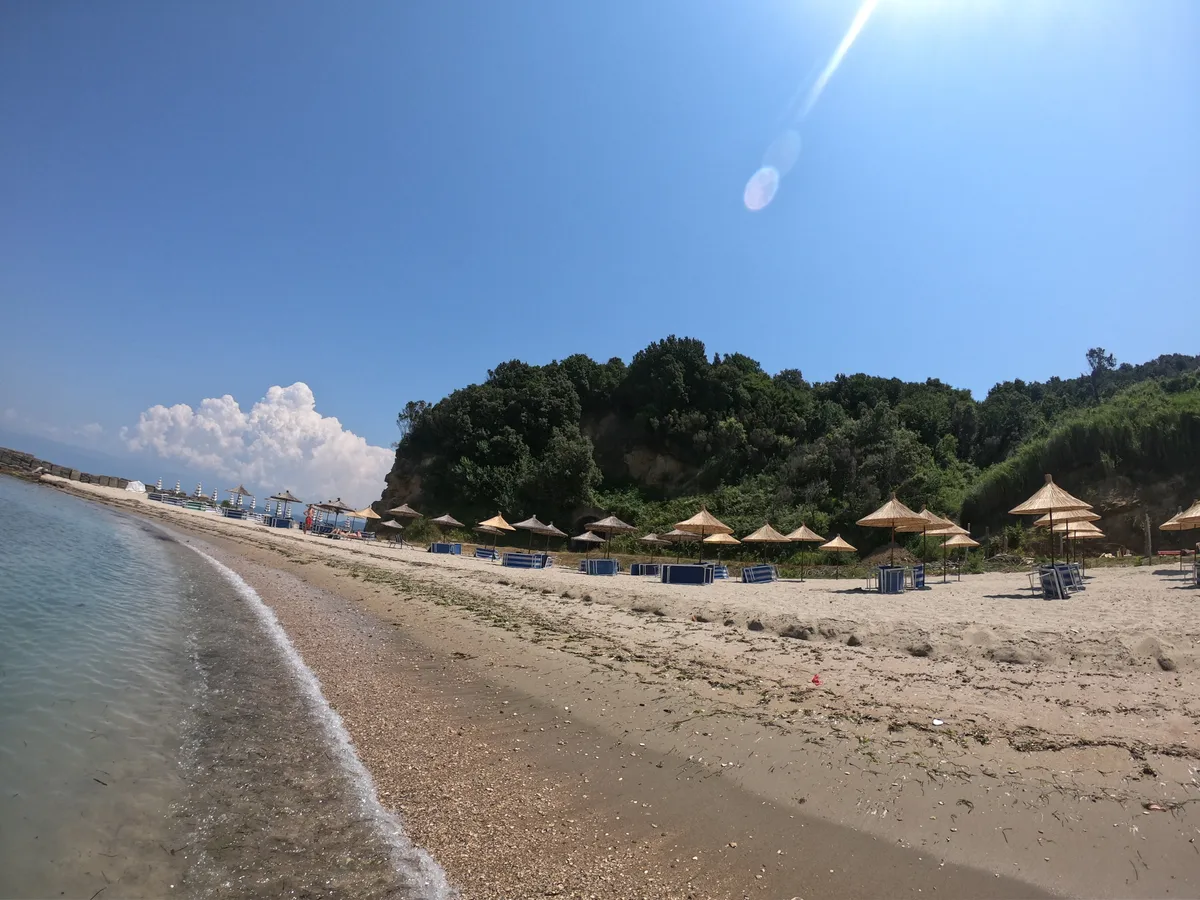
Identify an authorised parking option before attempting to reach the closest possible point to the cape's features. Ask where visitors should leave cars and check current signs and instructions on arrival. A place where other vehicles have stopped may be informal or unsuitable for your agreement. Do not park on an access route, block a gate or leave the car where it prevents others from passing. Consider whether you can leave safely when the area becomes busier. A clear parking arrangement can be worth more than a slightly shorter walk from an uncertain position.
Check any stated parking charge and operating condition locally before leaving the vehicle. This guide does not provide a current fee, closing time or guarantee of space. If a parking area has an attendant or operator, confirm that the instructions relate to that area and ask what you need to retain as proof of payment where relevant. Do not infer that paying for parking changes the rental's road restrictions on the approach. The place to leave the car and the permission to drive there remain separate parts of the decision.
Once parked, prepare for the walk without spreading belongings into moving traffic or blocking access. Take the essentials and keep valuables out of sight. Save the car's location and agree how the group will return to it if people walk at different speeds. Check that you have the key before moving away and keep it secure during the outing. Do not leave the car on sand or an informal track to reduce walking distance. The objective is to finish driving at a sensible point, then enjoy the coast without carrying a parking problem through the rest of the visit.
Plan the walk with the least mobile passenger in mind
Before committing to a walk, ask about its current surface, difficulty and endpoint. The fact that a place can be visited does not establish a suitable route for every person. Think about uneven ground, the effort of returning and the group's ability to remain comfortable if conditions change. If someone has a mobility constraint, seek specific access information rather than relying on a general description such as easy or short. Those words mean different things to different visitors. Keep an alternative that allows the group to enjoy a coastal outing without requiring an unsuitable walk.
Choose footwear and clothing for the actual conditions and carry the water and essential personal items your party needs. Avoid making the plan dependent on finding refreshments at an unverified place. Keep the day bag manageable and leave unnecessary luggage at your accommodation when practical. If children are travelling, choose a walk that can be shortened without creating a difficult return. An attractive destination at the end of a path is not the only part to consider; everyone still needs enough energy and suitable footing to get back to the parked car comfortably.
Agree how you will handle different walking speeds. Staying together may be simplest, while another group may choose a clear meeting point and a shorter route for some members. Do not split up without a way to communicate and reunite, and do not assume mobile coverage will solve a vague plan. Save the parking location on more than one device where appropriate. If conditions feel less suitable than expected, stop or turn back early. The visit is not improved by continuing solely because the group has already driven to the cape.
Give the fortress and church their own access checks
Official tourism information identifies the fortress and St Anthony church among Cape Rodon's historic features. Use that as context for choosing what interests you, then verify the practical access relevant to your visit. Do not assume that a mention on a tourism page establishes an opening time, an interior visit or a maintained walking route on your travel date. If one feature is central to your plans, ask about current access before leaving Durrës. The wider landscape may still be enjoyable when a particular part is unavailable, but that should be an informed choice rather than an unexpected disappointment.
Keep the historical interest separate from the driving destination. A map pin for a fortress or church may identify the feature accurately while providing an unsuitable endpoint for a rental car. Find out where vehicles are meant to stop and how visitors continue from there. Follow signs and any current site instructions, and avoid entering areas that are closed or require permission you do not have. Do not climb on structures or use an unofficial track simply because it seems to offer a better photograph. A respectful visit starts with accepting the access available on the day.
If you want to visit more than one feature, assess the connection between them as part of the walking plan. Nearby pins do not guarantee an easy or appropriate route. Consider whether moving the car would help or merely introduce another uncertain approach and parking problem. It may be more comfortable to choose a single priority and leave the other optional. Allow time to look around without turning the visit into a checklist. The practical reward of careful access planning is that you can give the place your attention once you arrive.
Let weather change the plan before it becomes a problem
Check current weather information before setting out and consider how the forecast affects both the drive and the walk. A coastal outing involves time outside the car, so passenger comfort matters even when the main road journey seems straightforward. Rain, wind, heat or poor visibility can change what is enjoyable and how confidently the group can move. Do not treat a booked rental day as a reason to preserve the original destination regardless of conditions. You can use the car differently while keeping within its agreement, provided any change to the rental itself is properly confirmed.
Ask about the approach again when recent weather may have affected it. A description from an earlier day does not guarantee the same surface or access now. Even if the supplier has approved a route in principle, the driver must still respond to the conditions encountered. If the road or walking surface is unsuitable, stop and choose a safer permitted alternative. Avoid treating larger tyres, higher clearance or a more expensive cover option as a reason to continue. Neither the vehicle category nor a product name replaces current road suitability and the restrictions of the agreement.
Prepare a shorter coastal option before departure so that changing plans feels like a choice rather than a failure. You could investigate a manageable day around your Durrës or Golem base, with confirmed parking and fewer uncertain approaches. This is an illustrative alternative, not a promise that every beach access will be suitable. Check the details for whichever place you choose. A flexible day can still deliver a walk, a meal and time outside without depending on reaching the cape's furthest point. Let the conditions define the scale of the outing.
Keep fuel, supplies and contact details ready
Prepare the car before leaving the main part of your day rather than assuming every need can be met near the destination. Check the fuel level against the intended route and the rental's return policy. Confirm the fuel type from the vehicle or supplier instructions if there is any doubt. Carry the essentials your group needs for the walk and keep the phone charged. This is ordinary preparation for an outing with an uncertain final approach; it does not require carrying the whole contents of your accommodation or making unsupported assumptions about what services exist along the way.
Save the supplier's roadside or incident contact and the relevant instructions offline. If a warning, puncture or other vehicle problem occurs, stop in a suitable place and follow the agreed procedure. Do not arrange repairs or continue driving against instructions merely to finish the visit. Tell the supplier where you are and what happened, using a clear location description or pin when possible. Keep the communication factual and retain any records the agreement requires. The correct response depends on the vehicle and terms, so a destination guide cannot supply a universal replacement for the supplier's process.
Keep the return route and accommodation entrance available without needing a fresh connection. Share practical details with a companion where useful, but avoid placing sensitive documents in an open group note. Before beginning the walk, check that the key and essential phone are secure and that you know how to find the car again. These small preparations reduce the chance that a simple outing becomes dominated by a misplaced item or inaccessible message. Once the basics are handled, you can focus on the coast rather than repeatedly checking whether something important was left unresolved.
Protect the drive back and the rental return
Decide when to begin returning to the car before you start the most ambitious part of the walk. Leave enough room for a slower pace, a pause and the drive back to your base. If the car is due back that day, include fuel and the handover inspection in the plan as well. A navigation estimate from the parking point does not include the time needed to finish the walk, gather the group and prepare the vehicle. Protecting those steps prevents the final part of the outing from becoming a hurried attempt to recover lost time.
Before driving away, check the route while stationary and confirm that the departure approach remains suitable. Do not assume the way out must be a shortcut proposed by navigation. If you arrived by a checked permitted route, consider whether the suggested return introduces a different road that needs assessment. Keep the group's immediate needs in mind and pause when necessary. The driver may be more tired after walking than at departure. Let that affect optional stops and the pace of the return rather than trying to preserve a plan made before you knew how the day would feel.
If you expect to miss an agreed rental return time, contact the supplier promptly and request instructions. Do not infer an extension or a different return place from the fact that you are already on the road. Keep the accepted arrangement in writing and allow time to return the car as directed. Back at your accommodation, park appropriately and remove essential belongings before ending the day. The cape outing is complete when everyone is settled and the vehicle is secure, not simply when navigation announces that you have reached Durrës.
Use a simple go, shorten or postpone decision
Before departure, ask whether the essential parts of the plan are confirmed: a suitable permitted paved approach, an authorised parking option, a walk the group can manage and enough time for a comfortable return. If all are clear and current conditions support the outing, proceed with room to adapt. If the driving plan is sound but the walk is uncertain, consider a shorter visit that does not depend on reaching every feature. If the approach itself is unresolved, postpone or choose another destination. This decision method keeps uncertainty visible instead of hiding it behind enthusiasm for the place.
A hypothetical couple might choose a coastal walk and leave the fortress as an optional extension after checking the footing. A family might decide that a shorter outing nearer its Golem accommodation is more comfortable on the day. Another traveller may postpone until the supplier has answered a precise route question. These are all reasonable outcomes of the same preparation. None requires inventing access rights or treating an SUV as permission. The value of the guide is in helping you make a choice that fits your vehicle, your party and the conditions you can actually establish.
Vrenty Car is an independent publisher and Localrent affiliate, not a site operator or rental supplier. It cannot confirm current access or authorise a route for a particular car. Use official destination information for context, current local guidance for the approach and your selected rental terms for permission. Keep those sources in their proper roles. Cape Rodon can then remain an appealing possibility without becoming a promise that the road, parking or walking will suit every visit. A well judged change of plan is part of travelling competently, not a lesser version of the holiday.