VRENTY CAR · DURRËS
Durrës to Berat by car: make a day of it
Berat is a rewarding inland trip when you want a full day away from the beach. A rental car lets you choose your departure and return around your own plans.
Reviewed 20 September 2026
Plan a full day, not a quick detour
Allow roughly 100–110 km each way and around two hours of driving before traffic and stops. These are planning estimates, not live navigation. Start with a realistic return time and leave space for a meal and walking; do not build the day around the fastest possible journey.
Stay on a suitable paved route
Use the main paved approach via the Lushnjë area and check the route before setting out. A navigation shortcut is not proof that a road is suitable for a rental car. Do not extend the trip onto remote canyon or mountain roads without checking your rental restrictions and current road conditions.
Park before exploring the historic quarters
Berat's historic centre is on the UNESCO World Heritage List. Its older streets and uphill approaches are better approached with a parking plan. Check signs and local access restrictions, then explore on foot. For the castle area, consider the steep approach and your passengers' mobility before choosing where to park.
Choose comfort and check mileage
A compact car may suit a couple on paved roads; a family may value more luggage space and air conditioning. Check the total included mileage for the rental period, fuel policy and return time. Budget for parking and meals separately from the rental quote.
Useful source: UNESCO: Berat ↗
On this page
Decide what will make the day worthwhile
A successful day in Berat begins with a clear reason to go. You might want to spend time in the historic centre, enjoy a walk with changing views or give the group an inland day after time on the coast. Choose that priority before adding stops to the drive. Berat's historic centre is recognised by UNESCO, but that recognition does not tell you how long your party will want to walk or where you should leave the car. Those are personal planning choices. A day built around one satisfying visit is easier to enjoy than a schedule that treats every map marker as compulsory.
Ask everyone travelling what they want from the outing. Someone interested in architecture may value slow wandering, while another person may prefer a shorter walk and a relaxed meal. Children may need pauses that do not involve more sightseeing. Give those preferences a place in the plan instead of assuming the driver can resolve them after arrival. Decide what is essential, what would be welcome if time allows and what can be left for another trip. This makes it easier to respond to a late start or a warmer day without feeling that the outing has failed.
Use the rental car to support the visit rather than to accumulate distance. The vehicle gets you to a suitable place to park and back to your base; it does not remove the need to walk, rest and navigate unfamiliar surroundings. If your preferred experience requires more time than a comfortable day allows, consider whether an overnight stay fits your wider itinerary and rental. That is an option to investigate, not a necessity. The important choice is to give Berat enough attention for the kind of visit you actually want.
Work backwards from a comfortable return
Choose a sensible time to be back at your accommodation, then build the day in reverse. Allow for the return drive, leaving the parking area, a meal or refreshment stop and the walking you want to do. Only then decide when to leave Durrës. This method keeps the plan connected to the whole day rather than to a navigation estimate for one direction. Current traffic and road conditions can change the driving portion, so avoid using the fastest displayed journey as the amount of time available. Keep some space that has no activity assigned to it.
If the car must be returned that evening, the rental appointment becomes another fixed point. Include refuelling under the agreed policy, unloading and the return inspection before that deadline. A day trip that fits comfortably when the car stays with you overnight may be too tight when the hire ends the same day. Compare these situations honestly before booking. Do not assume that you can extend the rental on the road if the visit takes longer than expected. An extension requires agreement and may affect availability and price under the chosen terms.
Set a practical decision point for optional activities. For example, agree that after your main walk you will check the time and the driver's energy before adding another area. This is a hypothetical planning method, not a proposed schedule. It prevents the final stop from being chosen by momentum when the group is already tired. If departure from Durrës is late, shorten the sightseeing plan rather than compressing the return margin. A relaxed end to the day is part of the trip's value, especially when you still have parking and children to organise on reaching your base.
Review the complete paved route before departure
The existing route overview points towards a main paved approach through the Lushnjë area. Treat that as planning context and check current navigation before leaving. Look at the whole proposed route, including the final approach to parking, rather than accepting only the estimated arrival time. If a route uses a shortcut that you cannot assess, choose a clearer permitted alternative or ask for current guidance. A line on a map does not establish the road's surface, condition or permission under a rental agreement. The journey needs to remain within the roads allowed for your selected car.
Pay particular attention when navigation changes after you are already moving. It may offer an alternative because of traffic, but you still need to assess whether the route is suitable. Have a passenger review the change where possible, or stop safely before making a decision. Do not follow an uncertain side road simply to preserve the original arrival estimate. If signs or the surface conflict with what you expected, reassess. A delay on a known suitable route can be preferable to entering a road whose condition and rental permission you have not established.
Keep the day focused on Berat unless you have separately checked any proposed extension. Nearby names on a map can make a canyon, mountain road or remote viewpoint look like an easy addition, yet each may introduce different access conditions. An SUV does not turn those questions into permission. Ask the supplier about any uncertain route segment before planning around it, and obtain the required approval where applicable. If you cannot verify a suitable permitted approach, leave that extension out. The historic-centre visit already gives the day a clear purpose without needing an unplanned driving challenge.
Choose a car for the passengers as well as the road
For a paved-road day trip, consider seating comfort, luggage space and driver familiarity before choosing a category. A couple travelling with small day bags may find a compact car sufficient, while a family may need more usable room. The best choice depends on the actual passengers and the selected offer. Check the transmission explicitly if that affects the driver's confidence, and confirm any essential equipment before payment. Do not infer an exact vehicle or feature from a category image. A larger car can bring comfort, but it also needs a suitable parking space when you arrive.
Think about what will be carried during the outing. Leave unnecessary holiday luggage at your accommodation where practical, and take a manageable day bag with the items the group needs. This keeps the passenger area clear and makes it easier to leave the car without organising a large collection of belongings in a parking area. If mobility equipment or a pushchair must come with you, check its fit with all passengers seated. The needs of the visit can matter more than the theoretical boot capacity shown in a brief vehicle description.
If you expect to share the driving, confirm that every driver is authorised under the booking and has met the required conditions. A long day is not the moment to discover that a willing companion is not recorded as an additional driver. At collection, make sure those who will drive understand the controls and the rental's incident procedure. Driver comfort is also a planning constraint: choose a route and return time that suit the person actually behind the wheel. The vehicle's size or category cannot compensate for a schedule that leaves the driver exhausted.
Check mileage against the whole holiday
Read how the selected offer handles mileage before adding the Berat trip to your itinerary. Look at the rental period as a whole, including arrival, local journeys, excursions and the return location. If the offer has a limit, establish how it is calculated and what happens if you exceed it. Do not assume a label applies identically to every vehicle or that one day's unused allowance automatically transfers in the way you expect. Use the actual offer wording and ask the booking service or supplier to clarify anything that changes your decision.
Build a simple distance plan using current routes for the journeys you intend to make. It does not need to predict every small detour, but it should leave room for finding parking, missing an entrance or changing a local stop. The aim is to compare the likely use with the agreed conditions, not to turn the day into a contest to minimise every kilometre. If the plan sits close to a limit, investigate a more suitable offer or reduce optional driving before booking. Do not wait until the final return to discover that the itinerary and allowance were a poor match.
Keep fuel separate from mileage when budgeting. An included mileage allowance does not mean fuel is included, and a fuel deposit or return level has its own conditions. Confirm the correct fuel type at handover and follow the agreed return policy. Plan to leave Durrës with enough fuel for a comfortable outing rather than making the first part of the day depend on finding a particular station. Avoid assuming current opening hours or prices from an old travel note. Use current information when choosing a stop and keep relevant receipts until the rental is closed.
Make parking the first destination in Berat
Choose a sensible arrival parking option before navigating to the historic centre. A sightseeing pin may direct you towards a narrow or steep approach without providing a suitable place to leave the car. Look for current parking information and assess the final route, then follow signs and restrictions on arrival. Keep an alternative in mind in case the first option is full or unsuitable. Do not treat another parked vehicle as proof that a space is authorised. If the location is unclear, stop only where safe and seek current local guidance rather than leaving the car and hoping.
Consider how you will leave the space as well as how you enter it. A tight turn that seems manageable when the area is quiet may be less comfortable later. Check that doors can open sufficiently for your passengers and that the car does not obstruct an entrance or pedestrian route. If a parking area has stated terms, read the payment instructions and any operating limits before walking away. This guide does not establish a current parking price, guaranteed space or opening time. The posted information and authorised operator's current instructions are the relevant references.
Once parked, save the location and note a recognisable nearby feature without relying only on memory. Take the essentials you need for the walk and keep valuables out of view. Decide where the group will meet if people separate, especially if one person returns to the car earlier. A little organisation here makes the visit feel less constrained by the vehicle. The goal is to park once in a suitable place and explore at a comfortable pace, rather than repeatedly moving the car in search of a closer spot at each viewpoint.
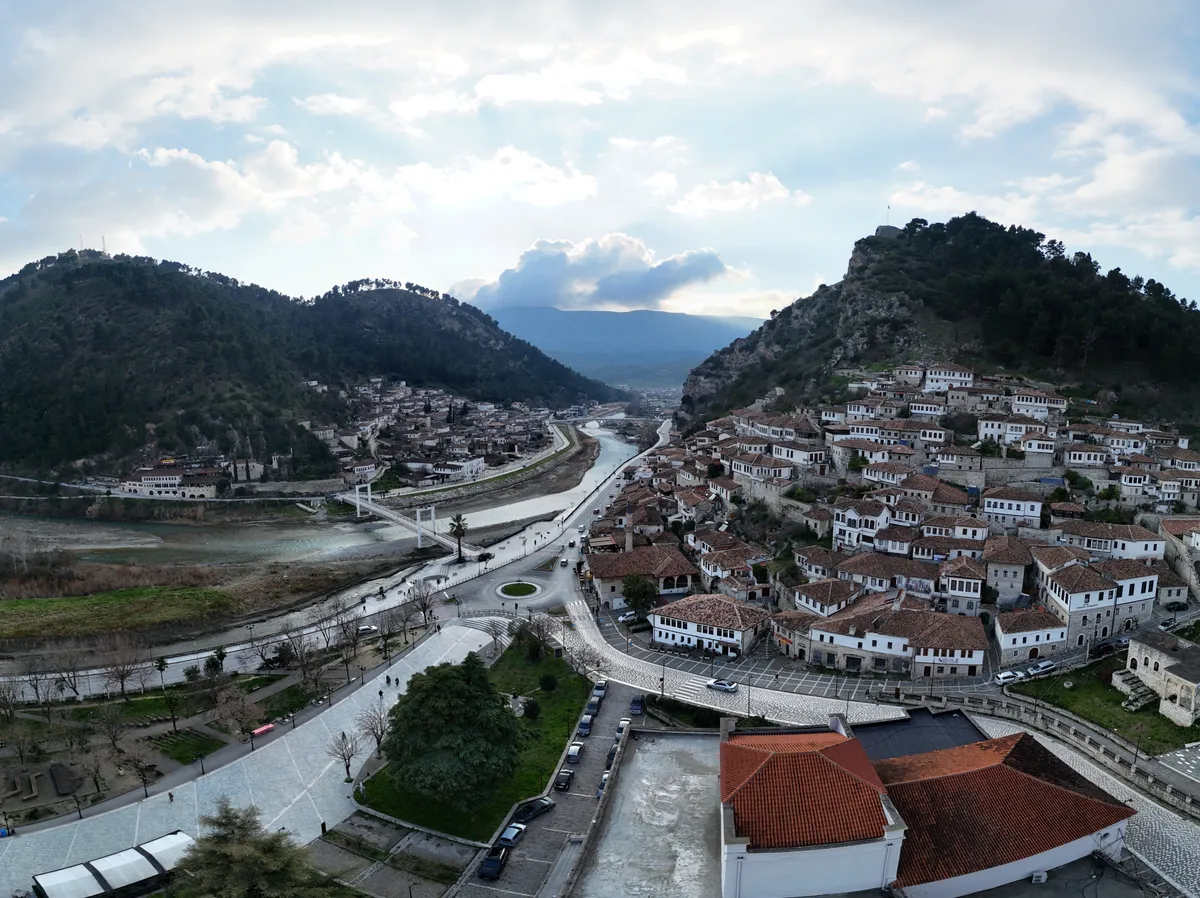
Plan the historic centre at walking pace
Berat's historic centre is the reason many travellers consider this inland outing. UNESCO recognition provides context for its significance, but your visit will be shaped by the streets you choose and the pace your party can sustain. Allow time to look around without needing to reach a new pin every few minutes. Check current access information for any specific interior or attraction you hope to enter. Do not infer opening hours, entry arrangements or accessibility from the fact that an area appears in a heritage listing. A flexible walk can still be rewarding when an individual venue is unavailable.
Choose footwear and a day bag that suit walking, and think about the group before selecting an uphill route. A scenic approach may be uncomfortable for someone with limited mobility or a child who is already tired. Ask about current access and practical alternatives where needed. You do not have to keep everyone on the same ambitious route if the group can agree a sensible meeting plan. Avoid using the car to solve every walking difficulty without checking where it may legally and safely go. Closer on a map does not necessarily mean easier in practice.
Build pauses into the visit rather than treating them as lost time. A drink, meal or seated rest can help the group enjoy the next part of the walk and leave the driver fresher for the return. Keep the timing flexible and check current information before relying on a particular venue. If the day becomes more tiring than expected, finish after the part you most wanted to see. A measured visit to the historic surroundings can be more satisfying than reaching every planned stop while everyone is watching the clock and worrying about the drive back.
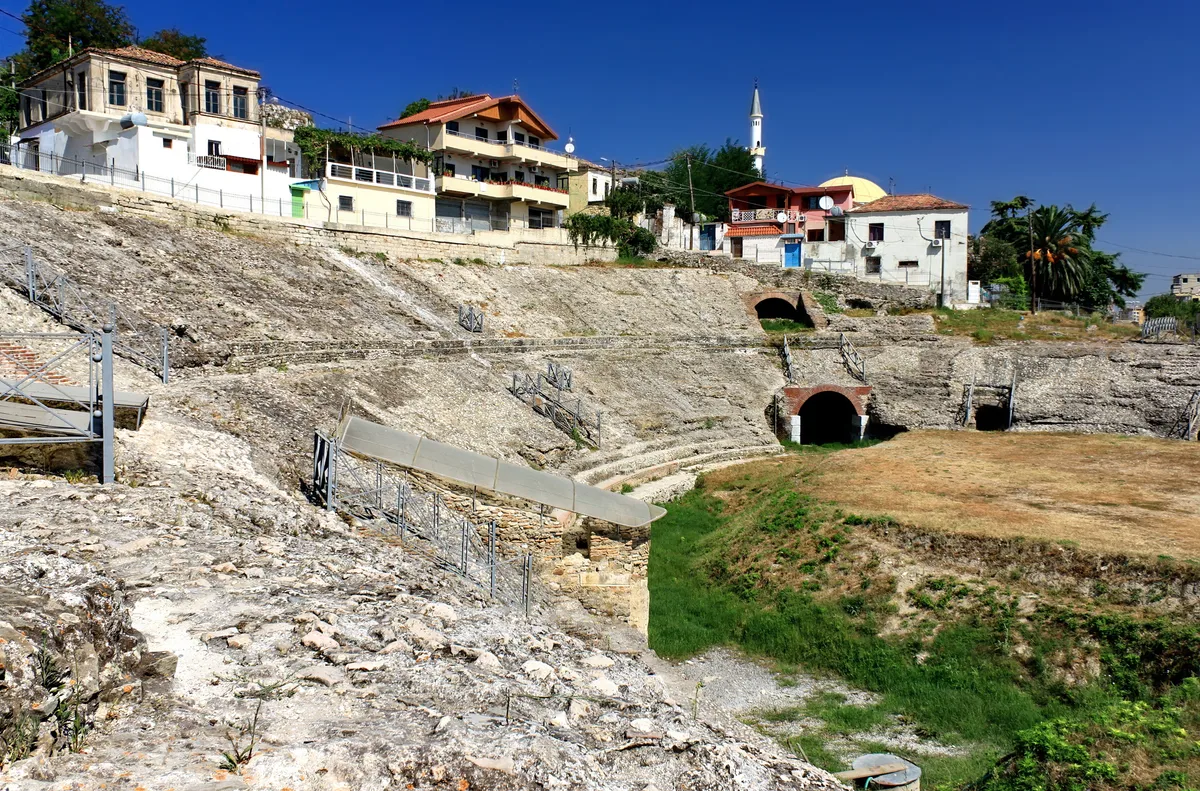
Assess the castle-area approach on its own merits
If your plan includes the castle area, give its approach a separate decision rather than attaching it automatically to the historic-centre walk. Consider the gradient, the current access information and the walking ability of your group. Decide whether the visit is realistic before committing to a route or parking place. A map may make locations appear close while concealing how demanding the connection feels on foot. Equally, driving closer may introduce a more difficult approach or uncertain parking. Check the actual options and choose the combination of walking and driving that your party can manage comfortably.
Ask a clear question when seeking local information: describe whether you intend to arrive by car, where you are considering parking and whether someone has a mobility constraint. A general answer that a place is reachable does not establish suitability for every passenger. Do not assume a particular accessible route, reserved space or assistance service. If the answer remains uncertain, keep the castle visit optional and organise the main day around a walk you can assess. That decision preserves the value of the outing without making one difficult approach the test of whether it was worthwhile.
If you do proceed, allow enough time to return to the car without hurrying downhill or cutting short essential rest. Keep the rental return and drive to Durrës in mind, but do not let a late decision force the pace of the walk. Reassess at a natural pause before adding another stop. You can choose a shorter visit when weather, footing or passenger comfort differs from what you expected. The car provides a way back to your base; it does not require you to complete a route whose conditions no longer suit the group.
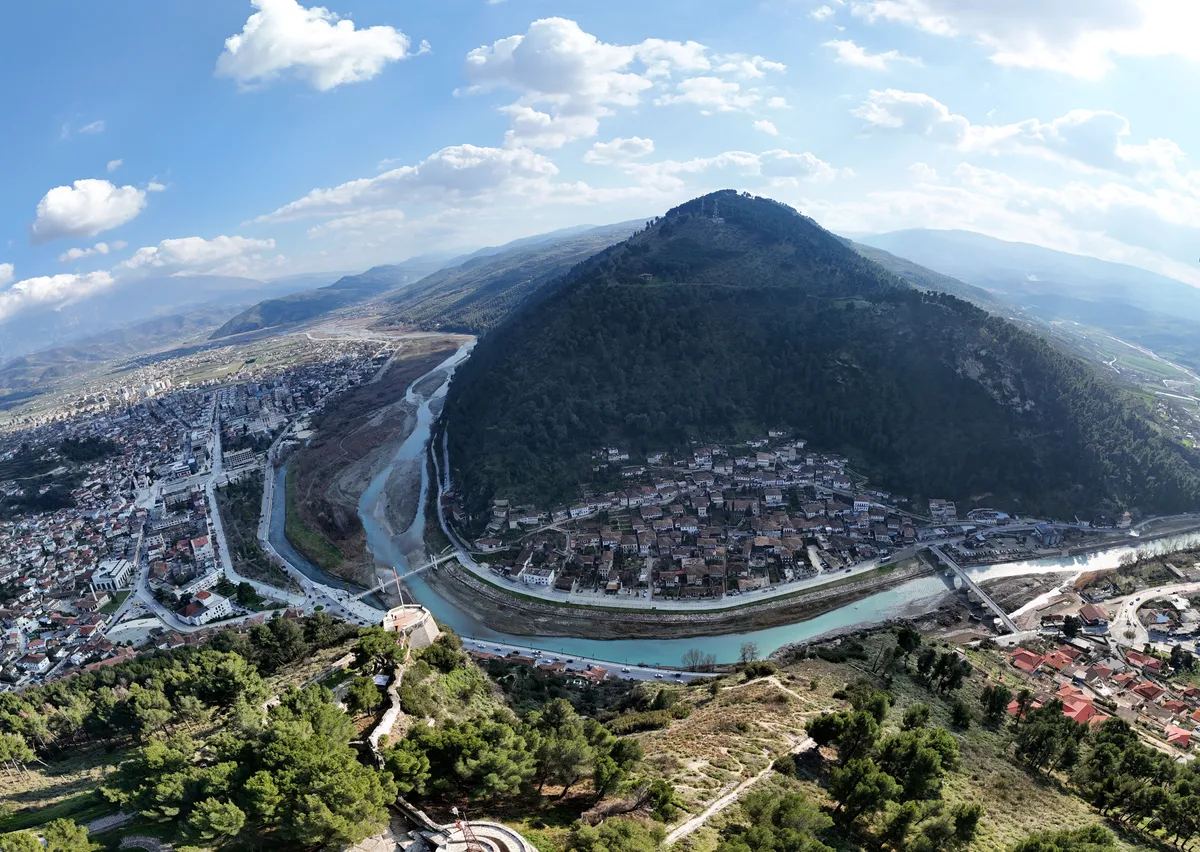
Adapt the day for children or mixed mobility
A family or mixed-mobility outing benefits from fewer transitions. Choose a manageable parking plan, one main walking area and a clear place to pause. Repeatedly loading the car, finding another space and unpacking equipment can use more energy than the distances suggest. Discuss the plan with the people whose needs will shape it, rather than assuming that extra car space solves every access issue. A pushchair, for example, needs storage in the vehicle and a route that suits its use after parking. Check both sides of the journey before making it central to the plan.
Keep food, water and essential personal items accessible in a small bag, without turning the walk into a luggage exercise. Check any particular dietary or accessibility requirement with the venue you intend to use, and have a simpler option if the answer is unclear. Do not rely on an unverified opening time to meet an essential need. Let the group know when the next planned pause will occur, while retaining the ability to stop earlier. Predictability can make an unfamiliar day easier for children and for travellers who need to manage their energy carefully.
A useful hypothetical family plan might prioritise a short historic-centre walk, a relaxed meal and an optional additional area only if everyone is comfortable. Another group may spend longer walking while one traveller rests at an agreed accessible place. Neither pattern requires seeing everything. Establish how people will communicate and reunite if they separate, and keep the car location available to those who need it. Make sure only authorised drivers move the rental. The best adaptation is the one that supports the group's actual abilities without depending on an unconfirmed service or improvised vehicle access.
Have a shorter version ready for changing conditions
Check the current weather and route before leaving Durrës, then decide whether the planned walking and driving remain suitable. The same itinerary can feel very different in heat, rain or poor visibility. Keep the decision practical: what will the group be able to enjoy, and can the driver complete the return comfortably? You do not need to preserve the original plan just because the car is booked. A shorter visit, a different day or a local outing may better suit the circumstances. Any change to the rental period itself still needs agreement under the booking terms.
Prepare a reduced version with one clear priority and fewer optional stops. If departure is delayed, use that version from the start instead of hoping to recover time later. If conditions change in Berat, reassess before beginning an additional walk. Avoid waiting until the driver is tired and the return margin has disappeared. A simple decision rule can help: once the main visit is complete, add another area only if time, conditions and the group's energy all support it. This keeps the choice grounded in the day you are having rather than the plan made at home.
If a navigation route becomes unsuitable, stop in a safe place and review a permitted alternative. Contact the supplier if a road-permission question or vehicle problem arises, following the rental's instructions. Do not use a remote detour to compensate for lost time without checking where it leads. Keep an offline route for the return as a backup, but follow current signs and conditions. Flexibility should make the trip easier, not introduce an unassessed road simply because it appears to restore the original arrival estimate.
Make the return a separate, unhurried journey
Before leaving Berat, give the driver a moment to prepare rather than moving directly from the last walk into traffic. Check the route, fuel and the group's immediate needs while stationary. Put bags away securely and make sure the car is ready for the journey. If more than one authorised driver is available, decide who will drive before departure. Do not assume that the person who drove out will still be the best rested choice. If only one driver is authorised, let that person's condition shape when the visit ends and whether a further pause is needed.
Navigate back to the correct accommodation entrance or agreed rental return location, not just to Durrës as a destination. The final approach can be the most inconvenient part of a tired return if parking has not been considered. Keep the property's instructions and any contact readily available. If your intended parking option is unavailable, use the alternative you prepared rather than circling under pressure. When the rental ends that day, follow the confirmed fuel and inspection process and allow enough time to remove belongings carefully. Optional stops should yield to the agreed handover.
After parking, check the passenger area and boot for personal items, particularly anything taken out during the journey. Keep receipts and any relevant rental communications until the hire is closed. If you noticed an issue with the vehicle, report it through the supplier's stated process rather than waiting for the next excursion. A good day trip ends with the group settled and the car properly parked or returned. That final step is easier when the itinerary has protected some time and attention for it from the beginning.
Turn your research into a short departure note
Keep a compact note for the day with the intended permitted route, first parking option, alternative parking plan and the time at which you will reassess optional activities. Add the supplier contact and the return location if the hire ends that evening. Save the information offline before leaving the accommodation. The note should help you make decisions, not become a rigid schedule that discourages useful changes. Current navigation, signs and local instructions still matter. If information is missing about an essential stop, resolve it before making the rest of the day depend on that stop.
Use the note to check the offer as well as the outing. Does the mileage arrangement fit the whole holiday? Are the intended roads permitted? Is everyone who may drive authorised? Does the return appointment leave room for the day you have planned? These questions connect the destination to the rental conditions without turning every excursion into a new booking exercise. Where a term is unclear, ask a specific question and retain the answer. Vrenty Car's guide cannot grant road permission or change the conditions attached to the selected vehicle.
Berat is most rewarding when you arrive with enough freedom to notice the place rather than only track the schedule. Choose your main interest, park appropriately, walk at the group's pace and leave a comfortable return margin. The UNESCO recognition explains part of the destination's appeal; the quality of your visit depends on practical choices you can make before departure. Keep the car's role clear and modest: it carries you between bases while the time outside it gives the day its character.