VRENTY CAR · DURRËS
Driving and parking in Durrës without the guesswork
A little preparation makes city driving easier: know where you will park, keep the first journey simple and leave enough time for the return inspection.
Reviewed 20 September 2026
Plan parking before reaching the centre
Check your hotel's parking entrance and whether spaces are reserved. On the street, follow the posted restrictions, payment instructions and operating times. Do not assume a space is free because another driver has parked there, and avoid spaces marked for specific users.
Use a suitable car and route
A compact car is practical for narrower streets if it fits your luggage. Review the route while stationary and avoid last-minute turns near busy junctions. Follow current road signs and local requirements; ask the supplier about unfamiliar controls before leaving the handover point.
Keep fuel and documents organised
Check the fuel type at handover and the agreed return fuel level. Keep receipts until the rental is closed. Save the supplier's roadside contact, your voucher and the return location offline. For delays or vehicle problems, contact the supplier before arranging repairs yourself.
Build in time for returning the car
Fuel near the agreed return area and allow time for photographs and an inspection. Ask for confirmation of the vehicle's condition and return time. If using an unattended return, get the key-drop instructions in writing and clarify how the inspection and deposit release will be handled.
Useful source: Localrent: terms ↗
On this page
Make parking part of the route, not an afterthought
A drive in Durrës is easier when the destination is a real place to leave the car, not only the name of a hotel, beach or old-town landmark. Before setting off, check the final approach and decide where the vehicle can legally stop. A navigation pin may point to a pedestrian entrance or the wrong side of a building, so use current access instructions from the accommodation or venue and then follow signs at the street. If the first option is full or restricted, move to the backup rather than circling under pressure.
Think about leaving the space as well as entering it. A compact car often suits the narrower parts of the city, but luggage, child seats and passengers still need room. Avoid spaces that require a difficult manoeuvre or block another driver, entrance or pedestrian route. The small extra walk from a clearer authorised space is usually calmer than trying to reach the closest possible point. Treat parking as the bridge between the rented car and the visit, not as a final detail to solve after arrival.
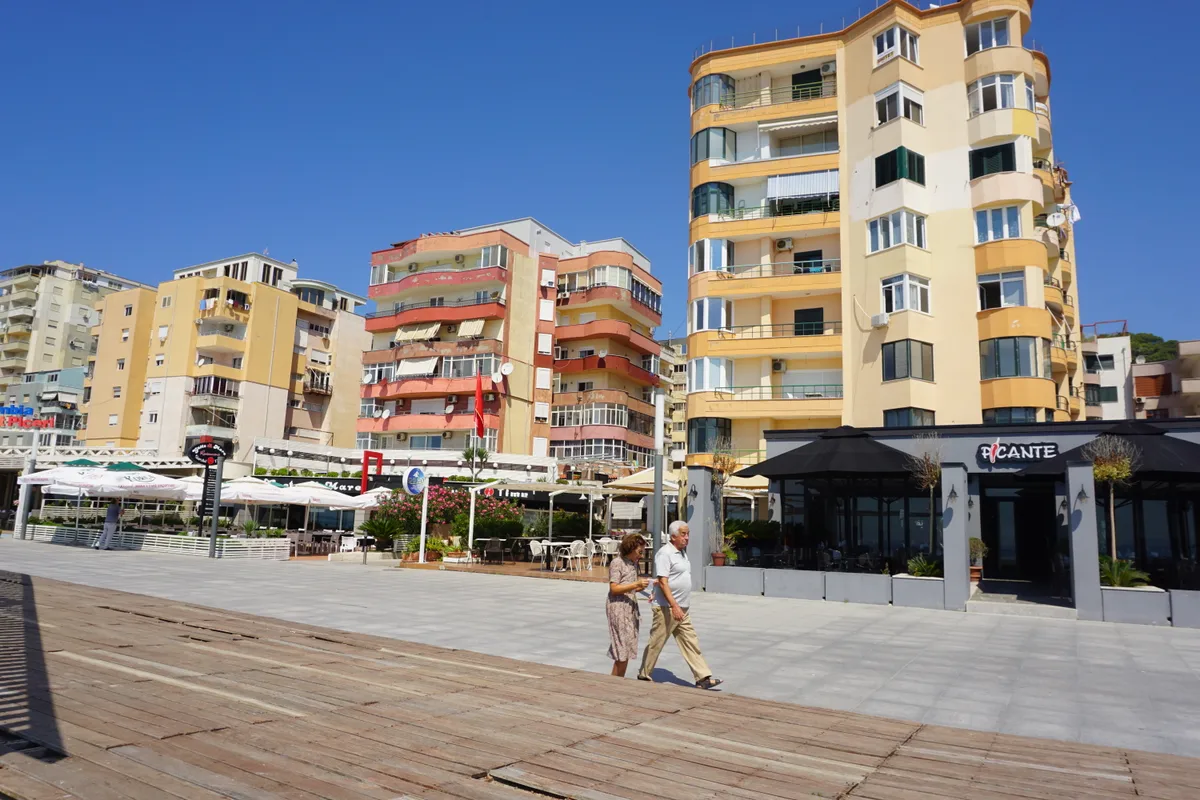
Read the signs where the car actually stands
Use the instructions at the place where you stop. Durrës publishes parking updates through the municipality, and paid zones, hours and public parking areas can change, so this page should not replace the current street signs, marked bays or official payment instructions. Check whether the bay is paid, reserved, resident-only, time-limited or connected to a nearby public parking area. Do not assume permission from the fact that other cars are already there.
If payment is required, use the authorised method for that exact area and keep the receipt or confirmation until the rental is closed. Localrent's Albania terms make parking, fines, toll roads and fuel the renter's responsibility, so an unclear space can become more expensive than a slightly less convenient one. If you cannot understand the instruction, ask the parking operator, accommodation, venue staff or another reliable local contact before leaving the vehicle.
Separate unloading from leaving the vehicle
Hotel and apartment arrivals often involve two different steps: a short unloading stop and a proper parking place. Ask the property where each step should happen before you arrive. A space near reception may be fine for dropping bags but unsuitable for leaving the car while checking in. Keep access clear for other guests, deliveries and pedestrians, and move the car once luggage has been removed. The same habit helps on the final day, when checkout, bags and the rental return all compete for attention.
Plan passenger movement too. Children, mobility equipment and several suitcases need more room than a driver travelling alone. If the first stopping point is awkward, take the slower option and choose a safer authorised space. Save gate codes and private parking instructions securely, and do not leave the voucher, documents or valuables visible inside the car. A simple unloading routine reduces stress without needing any special local knowledge.
If the rental car is missing from the space
First make sure you are in the exact place where the car was left. Check the saved map pin, parking receipt, photos, hotel instructions and nearby entrance names. Groups sometimes return to the wrong level, street or side of a public square after walking through the city. If the car is still missing, do not assume theft or try to solve the situation by guesswork. Look for a notice at the parking area and ask the parking operator, hotel reception, venue staff, port security or municipal police how vehicles removed from that specific place are handled.
Contact the rental supplier using the details on the voucher before paying recovery charges, signing unfamiliar paperwork or moving on with the itinerary. Share the booking number, licence plate, exact location, time parked, photos and any notice or receipt you have. Keep all documents for towing, storage, fines or official reports. If there is no clear local confirmation that the car was removed by an authority or operator, ask the supplier what report is required. Parking penalties and related costs are normally the renter's responsibility unless the rental company confirms otherwise for the specific case.
Do not leave the situation undocumented because you are embarrassed or worried about losing time. A short written timeline is useful: when you parked, what signs you noticed, when you returned, who you spoke to and what they said. Keep the tone factual and avoid admitting liability before the supplier has reviewed the information. If the car is recovered, photograph its condition before driving away and ask whether any new instruction applies to the return inspection. This keeps a stressful parking problem separate from later questions about damage, deposit release or the end of the rental.
Understand how cover, exclusions and incident records fit together

Learn the car before learning the city
Use the handover to become comfortable while the vehicle is stationary. Adjust the seat and mirrors, locate the lights, wipers, hazard switch and parking brake, and confirm the transmission and fuel type. Ask about any control that could distract you later. If the car differs from the expected model or equipment, raise it before leaving the handover point. A rental category does not guarantee every feature you may know from a similar vehicle.
Set navigation while parked and keep the route available offline. A passenger can help, but agree on one route source so the driver is not receiving competing instructions. If you miss a turn, continue safely and stop where appropriate to review the approach. Abrupt last-second manoeuvres are rarely worth it. The first drive should be calm and simple; familiarity with the car and the city can build over the next few trips.
Keep fuel, photos and records together
At collection, confirm the fuel type and the return fuel level. Keep fuel receipts with the rental records until the vehicle is accepted back. Before leaving the handover, photograph the exterior, interior where relevant, wheels, glass, fuel display and any existing damage that has been discussed. Photographs do not replace the supplier's record, but they help you remember what was agreed and make later questions easier to explain.
If a vehicle problem, scrape or warning light appears, deal with the immediate situation safely and contact the supplier with a factual description. Do not arrange repairs, continue driving against instructions or promise anything on behalf of the rental company. Ask what reporting steps are required and keep written confirmations, receipts and photos together. The aim is to preserve a clear record rather than to guess who will be responsible before the facts are reviewed.
Return the car as a planned appointment
Confirm the exact return location and procedure before the final day. The collection point is not automatically the return point, and a broad label such as port or airport may still leave a separate movement to the passenger terminal. Work backwards from your ferry, flight or checkout time and allow room for the drive, fuel, unloading, inspection and any queue. A return scheduled at the moment you need to enter another travel process is too tight.
For an attended return, ask for acknowledgement of the return time and vehicle condition under the supplier's process. For an unattended return, get the parking location and key instructions in writing and do not improvise a different drop-off because it feels more convenient. Remove belongings from the boot and storage spaces, disconnect a personal phone profile if possible and keep paperwork afterwards. A calm return protects the trip more than squeezing in one extra stop.

Use the rental to support the trip, not complicate it
The best parking habit is repeatable: check the destination entrance, choose a legal place to stop, save the location, keep valuables out of sight and leave time for the next movement. Use it differently for a quick dinner, a beach day, a Berat road trip or a port return. Current signs, the rental agreement and the supplier's instructions decide the details. A general guide can help you prepare, but it cannot replace the condition attached to the car you book.
When the practical steps are clear, the car does what it should: it gives you freedom without turning each stop into a small negotiation. Compare the car through the main Durrës rental search when you know your route, luggage and pickup plan. Then use the guides on Vrenty Car to connect the drive with the next decision: where to park, how to return, and what to check before the key is handed back.